

Commercial property ownership requires strategic maintenance planning that goes far beyond basic repairs to encompass comprehensive care that preserves asset value while ensuring tenant satisfaction and regulatory compliance.
Effective building maintenance protects substantial real estate investments while preventing costly emergency repairs that can disrupt tenant operations and damage property reputation. Property managers who prioritize critical maintenance areas create competitive advantages through reliable building performance, reduced operating costs, and enhanced tenant retention rates.
Understanding which maintenance priorities deliver the greatest impact on property value helps owners allocate resources effectively while building long-term asset appreciation. These essential maintenance strategies transform reactive problem-solving into proactive asset protection that supports both current income generation and future resale value optimization.
Maintaining Structural Integrity
Maintaining structural integrity protects the foundation of property value through regular inspection and care of load-bearing elements, roofing systems, and exterior building envelope components that determine long-term building viability and safety compliance.
Foundation monitoring prevents settlement issues and water intrusion problems that can compromise building stability while creating expensive remediation requirements. Regular inspections identify early warning signs before structural problems escalate into major safety concerns or code violations.
Roofing system maintenance prevents water damage that can quickly destroy interior finishes, compromise building systems, and create health hazards through mold growth. Proactive roof care extends system life while protecting all interior property investments from weather-related damage.
Optimizing Mechanical Systems
Optimizing mechanical systems ensures efficient building operations while controlling energy costs that significantly impact both property expenses and tenant satisfaction with their lease agreements. HVAC, electrical, and plumbing systems require regular maintenance to operate at peak efficiency.
Preventive HVAC maintenance reduces energy consumption while maintaining comfortable interior environments that support tenant productivity and satisfaction. Well-maintained systems last longer while avoiding emergency failures that can disrupt tenant operations and require expensive emergency service calls.
Electrical system updates and maintenance prevent safety hazards while ensuring adequate power capacity for evolving tenant needs. Modern commercial tenants increasingly require reliable electrical infrastructure for technology equipment and specialized operations that depend on consistent power delivery.
Securing Access Points
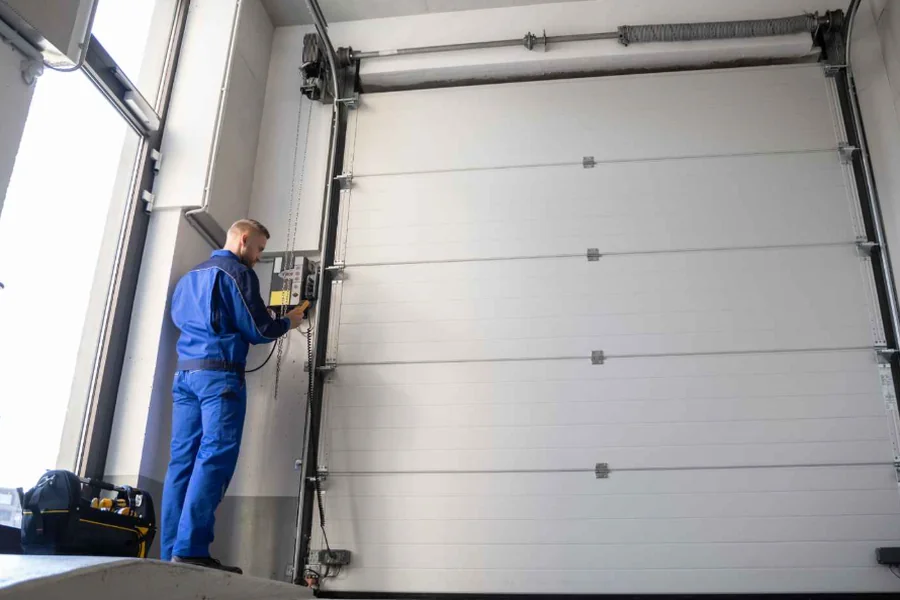
Securing access points involves comprehensive maintenance of doors, windows, and specialized entry systems that protect tenant security while ensuring reliable daily operations. Roll up door maintenance and coiling door repair with the help of companies like Burgess Building Company, LLC represent critical aspects of commercial property security and functionality.
Loading dock doors, service entrances, and emergency exits require regular inspection and maintenance to ensure proper operation during both routine use and emergency situations. Malfunctioning doors create security vulnerabilities while potentially violating safety codes that could result in fines or liability issues.
Electronic access control systems, security cameras, and monitoring equipment need regular updates and maintenance to provide effective protection for tenant assets and personnel. Modern tenants expect sophisticated security systems that require professional maintenance to operate reliably.
Preserving Exterior Appearance
Preserving exterior appearance protects property value through landscaping maintenance, facade care, and parking area upkeep that creates positive first impressions while demonstrating professional property management standards to current and prospective tenants.
Landscape maintenance including lawn care, tree trimming, and seasonal plantings creates attractive environments that support higher rental rates while distinguishing properties from competitors in crowded commercial markets. Well-maintained grounds suggest overall property quality and management competence.
Parking lot maintenance including surface repairs, line painting, and lighting ensures safe, functional vehicle access while protecting property from liability issues related to trip hazards or inadequate illumination that could affect tenant and visitor safety.
Ensuring Compliance Standards
Ensuring compliance standards through regular safety inspections, code updates, and certification maintenance protects property owners from legal liability while maintaining tenant confidence in building safety and operational reliability.
Fire safety systems including alarms, sprinklers, and emergency lighting require regular testing and maintenance to meet regulatory requirements while protecting lives and property from fire damage. Compliance documentation proves due diligence during insurance claims or legal proceedings.
Environmental compliance including air quality monitoring, waste management protocols, and energy efficiency standards increasingly affect property marketability and tenant attraction in markets where sustainability matters to corporate tenants seeking environmentally responsible office spaces.
Final Thoughts
Critical building maintenance priorities protect commercial property value through structural integrity preservation, mechanical system optimization, access point security, exterior appearance maintenance, and compliance standard adherence that collectively create well-managed properties commanding premium rents while maintaining long-term asset appreciation potential.
