

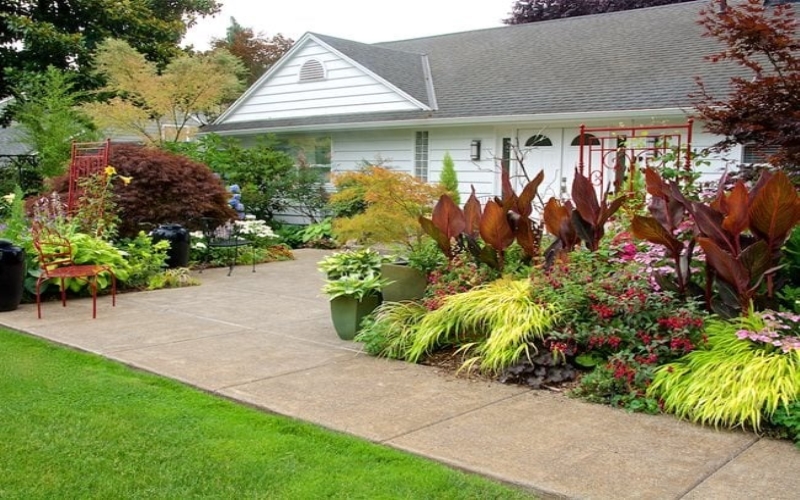
The incorporation of native plants into landscaping is a practice that not only enhances the aesthetic appeal of gardens but also promotes ecological balance. Native plants are species that have evolved in a specific region over thousands of years, adapting to the local climate, soil conditions, and wildlife. By choosing these plants, gardeners can create a sustainable environment that requires less water, fewer fertilizers, and minimal pest control.
For instance, in the Midwest, plants like coneflowers and black-eyed Susans thrive without the need for excessive irrigation or chemical treatments. These plants not only beautify the landscape but also provide essential habitats for local pollinators such as bees and butterflies. Moreover, native plants contribute to soil health and biodiversity.
Their deep root systems help prevent soil erosion and improve water infiltration, which is particularly beneficial in areas prone to flooding. For example, the use of native grasses like big bluestem can stabilize soil on slopes and reduce runoff. Additionally, incorporating a variety of native species can create a more resilient ecosystem.
This diversity ensures that if one species struggles due to disease or climate change, others can thrive, maintaining the overall health of the garden. By fostering a landscape that reflects the natural flora of the region, gardeners can create a vibrant and sustainable environment that supports local wildlife while reducing their ecological footprint.
Creating a Drought-Tolerant Garden
Ask any turf supplies in Camden or elsewhere in NSW; in an era marked by climate change and increasing water scarcity, creating a drought-tolerant garden has become an essential practice for many homeowners. Drought-tolerant gardens are designed to thrive with minimal water input, utilizing plants that are adapted to dry conditions. This approach not only conserves water but also reduces maintenance efforts and costs associated with irrigation.
One effective strategy is to select xeriscape plants, which are specifically chosen for their ability to withstand prolonged periods of drought. Examples include succulents like agave and sedum, as well as ornamental grasses such as blue fescue and feather reed grass. In addition to plant selection, implementing efficient irrigation techniques is crucial for establishing a successful drought-tolerant garden.
Drip irrigation systems can deliver water directly to the roots of plants, minimizing evaporation and runoff. Mulching is another effective method; it helps retain soil moisture while suppressing weeds that compete for water resources. Furthermore, designing the garden with contouring techniques can enhance water retention by directing rainwater toward plant beds rather than allowing it to run off.
By combining these strategies with appropriate plant choices, gardeners can create a resilient landscape that flourishes even in the face of water scarcity.
Designing a Low-Maintenance Lawn
The concept of a low-maintenance lawn is increasingly appealing to homeowners seeking to reduce their time spent on yard work while still enjoying a lush outdoor space. Traditional lawns often require significant resources in terms of water, fertilizers, and mowing; however, innovative approaches can transform this perception. One effective method is to choose grass varieties that are naturally suited to the local climate and require less upkeep.
For instance, fescue grasses are known for their drought resistance and adaptability, making them an excellent choice for low-maintenance lawns. In addition to selecting appropriate grass types allusamenu, incorporating ground covers can significantly reduce the need for mowing and watering. Plants like clover or creeping thyme not only provide greenery but also create a soft carpet-like effect that can withstand foot traffic.
Another strategy involves reducing the size of traditional lawn areas by integrating hardscaping elements such as patios or pathways. This not only minimizes the lawn’s footprint but also adds visual interest and functionality to the outdoor space. By embracing these techniques, homeowners can enjoy a beautiful lawn that requires minimal effort while contributing positively to the environment.
Adding Water Features
Water features have long been celebrated for their ability to enhance the tranquility and beauty of outdoor spaces. The sound of flowing water can create a serene atmosphere, making gardens more inviting and peaceful. Incorporating elements such as ponds, fountains, or waterfalls can transform an ordinary landscape into a captivating oasis.
For example, a small pond filled with aquatic plants like water lilies not only serves as a focal point but also provides habitat for frogs and other wildlife, enriching the ecosystem. Moreover, water features can play a significant role in temperature regulation within gardens. The presence of water can help cool the surrounding air during hot summer months, creating a more comfortable environment for outdoor activities.
Additionally, strategically placed fountains can act as natural humidifiers, benefiting nearby plants by increasing moisture levels in the air. When designing water features, it’s essential to consider their placement and scale in relation to the overall landscape. A well-designed feature should harmonize with its surroundings while providing both aesthetic appeal and ecological benefits.
Enhancing Outdoor Entertaining Spaces
As outdoor living spaces gain popularity, enhancing these areas for entertaining has become a priority for many homeowners. Creating inviting outdoor spaces involves thoughtful design that accommodates social gatherings while providing comfort and functionality. One effective approach is to incorporate versatile seating arrangements that encourage conversation and relaxation.
For instance, using modular furniture allows for flexibility in layout, enabling hosts to adapt the space according to the size of their gatherings. In addition to seating, integrating features such as outdoor kitchens or fire pits can elevate the entertaining experience. An outdoor kitchen equipped with a grill, sink, and countertop space allows for seamless meal preparation while guests enjoy the fresh air.
Fire pits not only provide warmth on cooler evenings but also serve as gathering spots where friends and family can share stories and create lasting memories. Lighting plays a crucial role in enhancing outdoor entertaining spaces as well; string lights or lanterns can create an inviting ambiance after sunset. By thoughtfully designing these areas with comfort and functionality in mind, homeowners can create outdoor environments that foster connection and enjoyment.
Using Creative Hardscaping Techniques
Hardscaping refers to the non-plant elements of landscaping that contribute to the overall design and functionality of outdoor spaces. This works well for offices and retail as well, such as stores selling women’s shoes in Perth, or for architects in Adelaide and the like. Utilizing creative hardscaping techniques can significantly enhance the visual appeal of gardens while providing practical benefits such as improved drainage and accessibility. One popular method is the use of permeable pavers for walkways or patios; these allow rainwater to infiltrate into the ground rather than running off into storm drains, promoting groundwater recharge.
Incorporating retaining walls is another effective hardscaping technique that can add dimension to landscapes while addressing issues related to erosion or uneven terrain. These walls can be constructed from various materials such as stone or brick and can be designed to complement the overall aesthetic of the garden. Additionally, raised garden beds made from wood or stone not only provide an organized planting area but also make gardening more accessible for individuals with mobility challenges.
By creatively integrating hardscaping elements into timelapsemagazine designs, homeowners can create functional spaces that enhance both beauty and usability while addressing environmental concerns such as water management and soil erosion.
