

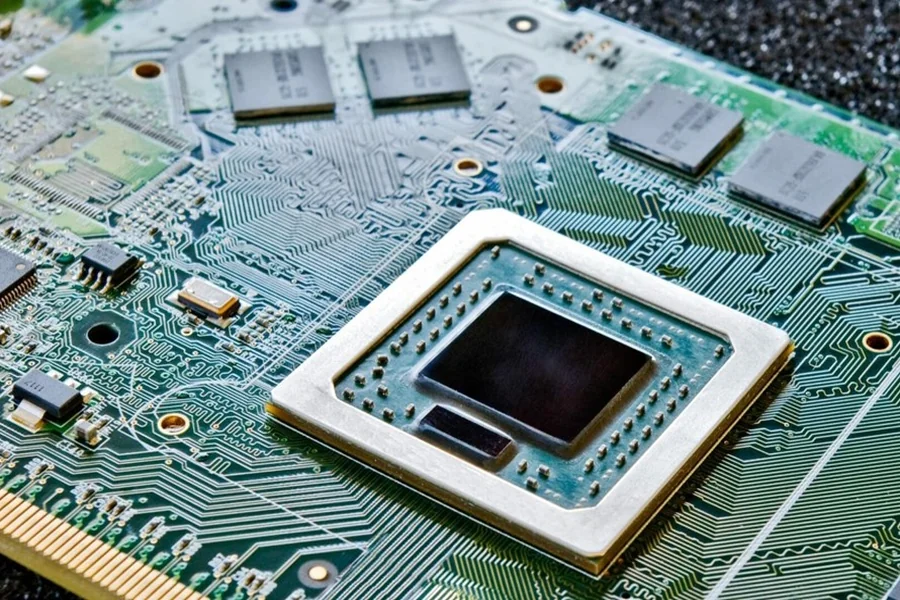
In today’s fast-evolving electronics industry, the demand for compact, lightweight, and high-performance devices is at an all-time high. One technology that has been instrumental in meeting this demand is the HDI circuit board. Short for High-Density Interconnect, this type of PCB enables more components to fit into smaller areas while maintaining excellent electrical performance. From smartphones to medical equipment, HDI circuit boards have become the backbone of advanced electronics design, supporting both miniaturization and high-speed signal transmission.
What is an HDI Circuit Board?
An HDI circuit board is a type of printed circuit board that uses fine lines, microvias, and high wiring density to create compact interconnections. Unlike traditional PCBs, which use larger vias and traces, HDI technology relies on laser-drilled microvias and stacked structures that allow multiple layers of connectivity within a small footprint. This makes HDI boards ideal for modern devices that require more functionality without increasing size.
Structure and Features of HDI Circuit Board
The structure of an HDI circuit board is more advanced than conventional PCBs. It usually involves multiple build-up layers, with microvias that connect one layer to another in a very small space. These boards often use blind and buried vias to maximize available area, enabling higher component density. With advanced lamination and via filling techniques, HDI circuit boards provide enhanced routing capability, controlled impedance, and excellent signal integrity.
The key features of HDI circuit boards include:
- Microvias with extremely small diameters, typically less than 150 microns.
- High-density routing with fine lines and spaces.
- Multi-layer stacking for improved interconnection.
- Support for high-frequency signal transmission and low signal loss.
Advantages of HDI Circuit Board
The HDI circuit board offers significant advantages for both manufacturers and end users. Its space-saving design allows engineers to integrate more components in a smaller area, which is crucial for portable and miniaturized devices like smartphones, tablets, and wearables. Additionally, HDI boards improve electrical performance by reducing parasitic capacitance and inductance, leading to faster signal transmission and lower power consumption.
Another key advantage is reliability. Because HDI technology eliminates the need for many through-holes, the risk of mechanical stress and failure is reduced. These boards are also lighter in weight, making them ideal for aerospace and medical applications where performance and weight are critical.
Applications of HDI Circuit Board
The versatility of the HDI circuit board makes it valuable across many industries. In consumer electronics, HDI boards are used in smartphones, tablets, and laptops to enable slim designs with powerful functionality. The medical sector relies on HDI boards for devices such as pacemakers, hearing aids, and diagnostic equipment that demand precision and reliability in compact form factors.
Automotive manufacturers use HDI circuit boards in advanced driver assistance systems (ADAS), infotainment units, and sensors. The aerospace and defense industries also depend on them for communication systems, avionics, and radar technology due to their ability to handle high-speed signals in challenging environments.
Manufacturing Process of HDI Circuit Board
Producing an HDI circuit board requires advanced techniques compared to traditional PCB manufacturing. The process typically begins with designing the high-density interconnect structure, followed by lamination of base materials. Microvias are then laser-drilled with extreme precision to achieve accurate inter-layer connections. The vias are plated and filled to create solid electrical pathways, while multiple build-up layers are sequentially laminated and interconnected.
Surface finishes such as ENIG (Electroless Nickel Immersion Gold) or HASL (Hot Air Solder Leveling) are applied depending on the application requirements. Finally, the boards undergo thorough inspection and testing to ensure durability, reliability, and performance in high-frequency conditions.
Design Considerations for HDI Circuit Board
Designing an HDI circuit board involves careful planning to optimize performance and reduce risks. Engineers must pay close attention to the stack-up design, via placement, and routing strategies. Signal integrity is a critical factor, so impedance control and careful trace routing are essential for high-speed circuits. Designers must also account for thermal management, as compact layouts can lead to heat concentration. Selecting high-quality materials such as low-loss laminates ensures long-term reliability and consistent electrical performance.
Conclusion
The HDI circuit board represents the future of electronics by enabling smaller, faster, and more powerful devices. Its unique ability to support miniaturization without sacrificing reliability or performance makes it a cornerstone of industries ranging from consumer electronics to aerospace and medical technology. As product designs continue to demand higher density and improved performance, the importance of HDI technology will only grow. To ensure the best results, it is essential to work with a trusted and experienced HDI circuit board manufacturer who can provide customized solutions that meet the most demanding requirements.
