

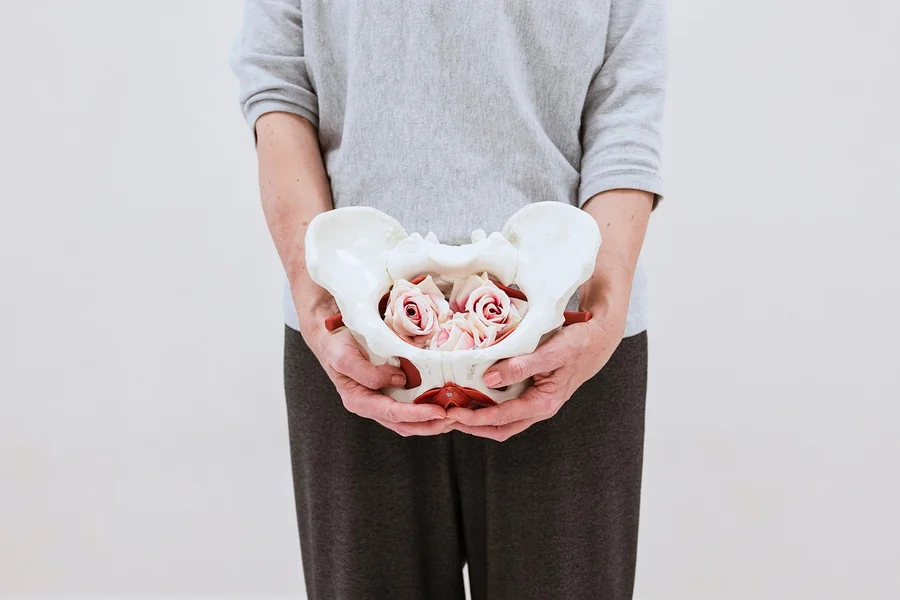
Pelvic organ prolapse can catch many people off guard. One day you’re going about your life, and the next you’re feeling a strange pressure, a bulge, or discomfort that just won’t go away. It’s not the kind of thing people openly talk about, but it’s more common than most realize—especially among women who have given birth or gone through menopause.
When symptoms get in the way of daily life, surgery might seem like the next step. But is it always necessary? And how do you know when it’s the right choice?
Let’s walk through what pelvic organ prolapse really is, what options are available, and when surgery becomes part of the conversation.
Understanding Pelvic Organ Prolapse
Pelvic organ prolapse (POP) happens when one or more organs in the pelvis—like the bladder, uterus, or rectum—shift downward due to weakened muscles and tissues. These muscles usually help keep everything in place, but factors like pregnancy, aging, or chronic pressure from things like constipation or heavy lifting can weaken them over time.
When that support system breaks down, the organs can push against the vaginal wall or even bulge out of the vagina. This can lead to symptoms like pelvic pressure, the sensation of “something falling out,” urinary leakage, difficulty emptying the bladder or bowels, and discomfort during sex.
It’s a lot to take in. But the good news is, you’re not alone—and there are many ways to manage or treat POP, depending on how severe your symptoms are and how they affect your life.
For more insight into how pelvic organ prolapse fits into overall pelvic health, it’s helpful to learn from professionals who specialize in treating these kinds of conditions with compassion and expertise.
Exploring Non-Surgical Treatment Options
Before jumping straight to surgery, it’s important to consider the full range of options. For mild to moderate prolapse, many people find relief through non-surgical methods.
Pelvic floor physical therapy is often the first recommendation. A pelvic health therapist can guide you through targeted exercises that help strengthen the muscles supporting your pelvic organs. It’s not just about doing Kegels—it’s about learning how your body works and finding ways to improve stability and support.
Pessaries are another option worth considering. These are small, removable devices placed in the vagina to help hold pelvic organs in place. For many women, a properly fitted pessary offers noticeable relief from symptoms without the need for surgery.
Lifestyle changes can also play a role. Reducing chronic straining, improving posture, managing weight, and avoiding heavy lifting can all help reduce the pressure on your pelvic floor.
Recognizing When Surgery Might Be Necessary
While many people can manage POP without surgery, there are times when surgery becomes a reasonable and even necessary option. If your prolapse has progressed to the point where you experience daily discomfort, persistent bulging, or issues with bladder or bowel function that don’t improve with conservative care, it may be time to talk seriously about surgery.
It’s also a consideration if non-surgical treatments haven’t brought enough relief or if they no longer work as well as they used to. Some people simply prefer a more permanent solution—especially when prolapse symptoms interfere with their quality of life.
There are several types of surgeries depending on the severity and location of the prolapse. Some involve lifting and securing the organs with sutures or mesh, while others may include removing the uterus if it’s contributing to the problem. Recovery times vary, and like any surgery, there are risks to weigh. That’s why it’s essential to consult a urogynecologist or pelvic health specialist who can help you understand your unique case and guide you through your options.
Preparing Emotionally and Physically for Surgery
Choosing surgery isn’t just a medical decision—it’s a personal one. The idea of surgery on such an intimate part of the body can feel scary or overwhelming. It’s perfectly normal to have doubts, ask questions, and seek multiple opinions before making a final decision.
If you decide that surgery is the right path, your provider will work with you to prepare your body for recovery. This might include pre-surgery pelvic floor exercises, nutrition guidance, or making plans for support during your healing period.
Emotionally, it helps to talk to others who’ve been through the process or join support groups—online or in person—where you can ask real-life questions and hear how others coped with recovery. Knowing what to expect can make the experience feel less intimidating and more empowering.
Maintaining Pelvic Health After Surgery
One important thing to remember: even if surgery corrects the prolapse, it doesn’t mean you’ll never have to think about your pelvic floor again. Surgery addresses the position of the organs, but long-term pelvic health depends on how you care for your body afterward.
Your doctor might recommend continued pelvic floor therapy, especially as you return to daily activities. You’ll also want to stay mindful of habits that protect your pelvic muscles—like avoiding heavy lifting, managing constipation, and keeping your core strong.
Think of surgery as one tool in a much larger toolkit. Long-term relief often comes from a combination of medical care, body awareness, and healthy lifestyle habits.
Conclusion
So, is surgery right for your pelvic organ prolapse? That depends on your symptoms, your goals, and how other treatments have worked for you. For some, surgery offers life-changing relief. For others, non-surgical options are enough to feel comfortable and in control again.
The best way to make this decision is by working closely with a provider who listens to your concerns, respects your values, and understands the full scope of your condition. Whether you choose therapy, a pessary, or surgery, remember that you deserve to feel good in your body—and that pelvic health is a vital part of your well-being, no matter your age or stage of life.
